
How Cosmetic Bonding Can Fix Uneven, Chipped Teeth Quickly
Small imperfections can have a bigger impact than one would expect. A chipped edge, uneven tooth shape, or noticeable gap may make you more aware of your smile during everyday moments; photos, conversations, or meals. While these concerns are often minor from a clinical standpoint, they can affect how comfortable you feel smiling.
Cosmetic dental bonding is a straightforward way to address many of these issues. Using tooth-colored composite resin, we can carefully shape and restore the tooth directly in the office. Most treatments take about 30 to 60 minutes per tooth and are completed in a single visit, allowing you to leave with a more balanced, natural-looking smile the same day.
Keep reading to learn how dental bonding works, what to expect during treatment at Dr. Molly Rosen’s practice, and whether it may be a good fit for your smile.
What You Can Expect
- Same-day results: Most bonding procedures are completed in one appointment
- Gentle process: We add material to your tooth rather than removing it
- Versatile solution: Addresses chips, gaps, stains, and minor shape concerns
- Immediate function: You can eat and drink normally right after
- Reversible option: The process can be undone if you choose other treatments later
What Is Dental Bonding?
Bonding uses composite resin, a durable material that begins soft and hardens when exposed to a specialized blue light. We apply the resin directly to the tooth and shape it to blend with your natural enamel, creating a repair that integrates with your natural tooth. Once cured, it becomes securely bonded to the tooth surface.
Because bonding is an additive technique, it preserves your natural tooth structure while improving appearance. It can be used to repair small chips, close spaces, mask certain stains, or refine tooth shape.
Since everything is done in-office, there's no laboratory work or waiting period. You see the results immediately and can return to normal activities right away.
The Bonding Process Step by Step
Here's what happens during your bonding appointment:
- Color matching: We select composite resin shades that blend with your natural teeth using professional shade guides
- Surface preparation: The tooth surface is gently etched with a mild solution to create better adhesion
- Bonding agent application: A conditioning liquid helps the resin stick to your tooth
- Resin placement: We apply the composite material in thin layers, sculpting each one carefully
- Light curing: A specialized blue light hardens each layer in 30-60 seconds through a chemical process called polymerization
- Final shaping: Once hardened, we trim and polish the restoration to match your other teeth
The entire process typically takes 30 to 60 minutes per tooth, depending on complexity.
Treatment Time by Type of Repair
The time needed depends on what we're addressing:
- Small chip repair: 20-30 minutes per tooth
- Gap closure: 45-60 minutes per tooth
- Shape correction: 60-75 minutes per tooth
- Stain coverage: 40-50 minutes per tooth
- Multiple issues: 75-90 minutes per tooth
For appointments involving several teeth, we typically schedule 2-3 hours total. This allows time for careful work and breaks if you need them.
Comfort During the Procedure
Bonding is generally comfortable because we're adding material rather than removing significant tooth structure. Most people don't need numbing shots. You might feel slight pressure as we shape the material, and the curing light creates a gentle warming sensation for just a few seconds.
The preparation solution might cause mild tingling that goes away quickly. Some people experience minor sensitivity for a day or two afterward, but this typically resolves on its own. If you feel anxious, we have comfort options available and can take breaks whenever you need them.
Emergency Bonding
Accidents happen at inconvenient times. When you chip, crack, or damage a tooth, emergency bonding can restore both function and appearance quickly, and we can often complete repairs the same day you call.
Emergency appointments usually take 45-75 minutes depending on the damage. We keep emergency slots available because we understand how a damaged front tooth affects your confidence and daily interactions.
If you break a tooth, call us promptly. Fresh breaks tend to bond more predictably, and quick treatment prevents bacteria from getting into rough edges.
Materials and Technique
Modern composite resin is designed to look and feel like natural tooth enamel. It contains tiny glass and ceramic particles that give it strength while allowing light to reflect naturally, helping the repair blend in with your surrounding teeth. This makes it a reliable option for fixing chips, smoothing uneven edges, and refining tooth shape.
The resin starts out soft and moldable, which allows us to carefully shape it directly on your tooth. We apply it in thin layers, shaping each one to match your natural contours before hardening it with a specialized blue curing light. This light activates the material, turning it into a strong, stable restoration in about 30 to 60 seconds.
Since natural teeth vary slightly from the gum line to the biting edge and can look different in various lighting, color matching is a very important part of the process. We evaluate your teeth under multiple lighting conditions and often layer different resin shades to create a result that blends smoothly. Applying the material gradually also helps improve strength and create a seamless finish.
Bonding Compared to Other Options
Each cosmetic treatment has different timelines and characteristics:
- Bonding: One visit, immediate results, best for minor to moderate concerns
- Veneers: Two visits over 2-3 weeks, more comprehensive cosmetic coverage
- Crowns: Two visits over 2-3 weeks, added protection for more damaged teeth
Bonding works well for minor to moderate cosmetic concerns and provides immediate results. Veneers and crowns offer different advantages for more extensive changes or when maximum durability is needed.
How Long Bonding Lasts
Bonding typically lasts 3-7 years before needing replacement. Several factors affect longevity:
- Location: Front teeth often last 5-7 years; back teeth may need replacement in 3-5 years due to heavier chewing forces
- Oral habits: Nail-biting, ice chewing, or teeth grinding can reduce lifespan
- Maintenance: Good oral hygiene and regular cleanings help it last longer
- Diet: Coffee, wine, and tobacco can gradually stain the material
When bonding eventually needs replacement, the process is straightforward. We remove the old material and apply fresh resin, essentially giving you a new repair.
Caring for Bonded Teeth
Maintaining bonded teeth is similar to caring for your natural teeth:
- Daily hygiene: Brush twice daily with fluoride toothpaste and floss regularly
- Avoid staining substances: Limit coffee, tea, red wine, and tobacco when possible
- Protect your teeth: Don't use them as tools, and avoid biting your nails
- Sports protection: Wear a mouthguard during physical activities
- Regular checkups: This way we can monitor your bonding and address small issues early
If you notice any roughness or small chips, call us rather than waiting for your next appointment. Early attention often prevents the need for complete replacement.
Let's Talk About Your Smile
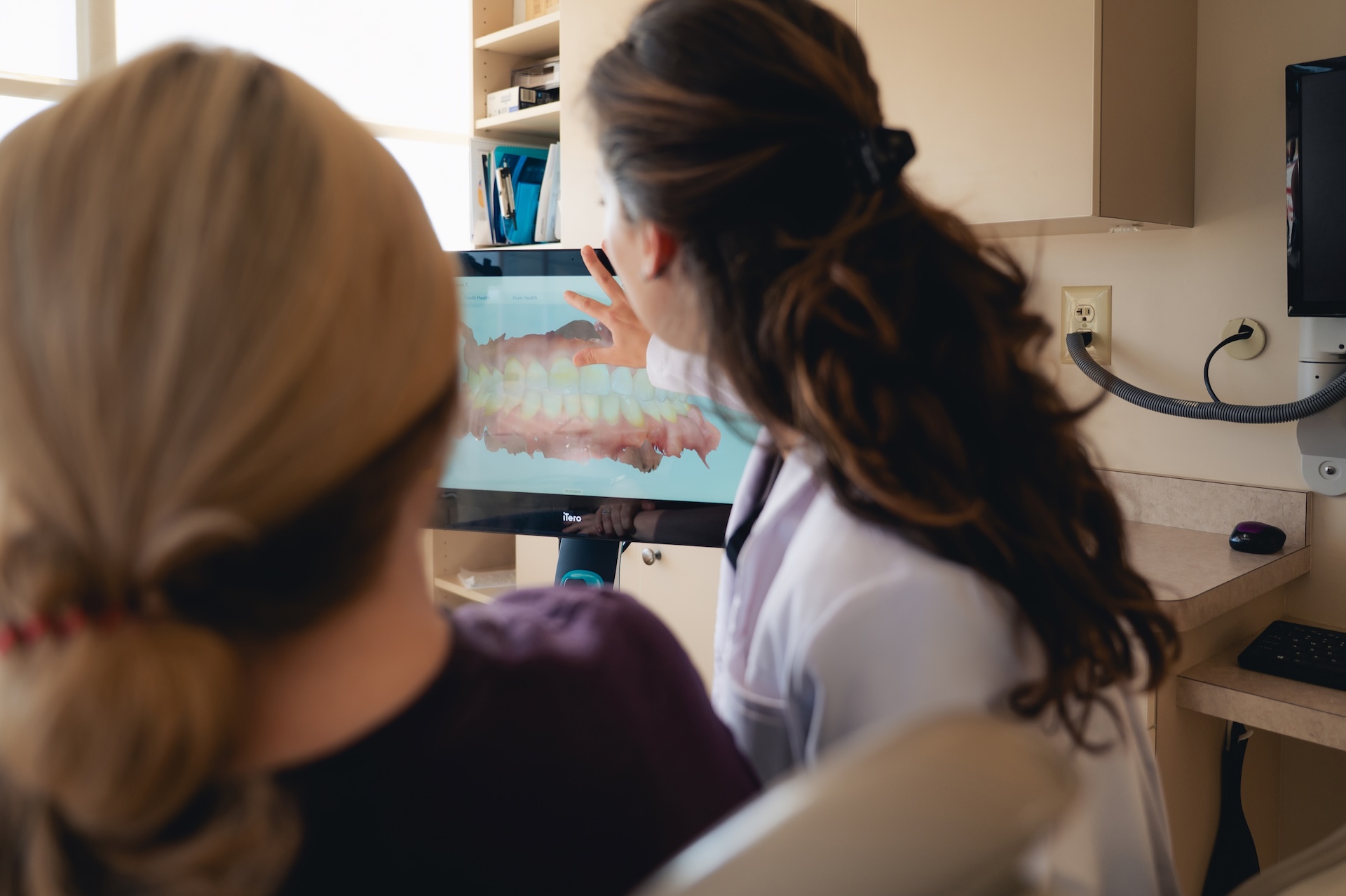
Every smile is unique, and the right solution should feel right for you. During a consultation, Dr. Molly Rosen takes time to evaluate your teeth, understand what’s been bothering you, and explain whether cosmetic bonding is a good fit for your goals, or if another option may make more sense.
We’ll walk through your choices, discuss timing and expectations, and answer any questions along the way. If you’re ready to explore what’s possible for your smile, we invite you to schedule a consultation and take the next step with clarity and confidence.
Connect
Call 215.673.0123 or request an appointment online to set up your first visit. We’ll be in touch soon.