

Cosmetic Dental Bonding: Same-Day Smile Transformation
A chipped tooth can feel distracting or uncomfortable, especially if it affects how your teeth come together or how your smile looks. Many people assume repairing a chip will require multiple appointments or extensive dental work, but in many cases, cosmetic dental bonding offers a straightforward, efficient option.
At our Philadelphia dental practice, Dr. Molly Rosen often repairs chipped teeth in a single visit using tooth-colored composite resin. The material is carefully applied and shaped directly on the tooth, then hardened and polished to blend naturally with your surrounding enamel. The process is typically quick, conservative, and designed to restore both comfort and appearance without unnecessary steps.
Continue reading to learn how dental bonding works, what it can treat, and whether it may be the right option for your smile.
Quick Takeaways
- Single-visit solution: Most bonding procedures are completed in one appointment lasting 30-60 minutes per tooth
- Budget-friendly transformation: Bonding typically costs significantly less than veneers or crowns, making it one of the most accessible cosmetic options
- Minimal preparation: Usually no tooth removal or anesthesia are required
- Versatile applications: Effective for chips, cracks, gaps, discoloration, and minor shape concerns
- Realistic longevity: With proper care, bonding typically lasts 3-7 years before touch-ups are needed
- Immediate results: You walk out with a transformed smile the same day
What Is Cosmetic Dental Bonding and How Does It Work?
Cosmetic dental bonding is a conservative way to repair or enhance your smile using tooth-colored composite resin. We apply this putty-like material directly to the tooth, carefully shaping it to restore chips, close gaps, or improve overall appearance. Once sculpted, the resin is hardened with a curing light and polished to match the natural sheen of surrounding teeth.
One of bonding’s biggest advantages is immediacy. Unlike veneers or crowns that require waiting for a dental lab, bonding is completed chairside, often during a lunch break. The material adheres to your enamel through a gentle etching process that creates a strong, natural-looking bond without removing healthy tooth structure.
Types of Cosmetic Bonding Applications
- Chip repair: Restoring broken or chipped teeth, especially common on front teeth from accidents or biting hard objects
- Gap closure: Filling small to moderate spaces between teeth for a more uniform smile
- Shape correction: Lengthening short teeth, widening narrow teeth, or creating better symmetry
- Color improvement: Covering stains or discoloration that doesn't respond well to whitening
- Minor alignment: Creating the appearance of straighter teeth without orthodontics for minor irregularities
- Wear repair: Rebuilding teeth that have been worn down from grinding or acid erosion
What Are the Benefits of Cosmetic Dental Bonding?
Immediate Benefits
Bonding offers fast, visible results with minimal disruption to your day. The procedure is comfortable enough that most patients require no anesthesia, and each tooth typically takes just 30-60 minutes to complete. Because the procedure is conservative, your natural tooth structure remains largely intact.
Financial and Practical Benefits
Bonding is one of the most accessible cosmetic dental treatments available. It typically costs less than veneers or crowns, involves no lab fees, and can often be modified or repaired over time. When bonding restores function or repairs accidental damage, insurance may provide partial coverage.
Aesthetic and Functional Benefits
Modern composite materials can be precisely matched to your tooth color and translucency for seamless results. One procedure can address multiple cosmetic concerns simultaneously while preserving maximum natural tooth structure. You'll leave our office feeling comfortable smiling, laughing, and speaking without self-consciousness about your appearance.
How Does the Dental Bonding Process Work?
The bonding process is straightforward and focused on comfort and precision.
After discussing your goals and selecting the appropriate shade, we gently prepare the tooth surface to ensure strong adhesion. Composite resin is applied in thin layers, shaped carefully, and cured with a light. Once fully set, the bonded area is contoured, polished, and checked to ensure a natural feel and balanced bite.
Most patients are pleasantly surprised by how fast, effective and comfortable the whole process is.
What's the Complete Timeline for Cosmetic Dental Bonding?
Consultation Phase (1-2 weeks before treatment)
During your initial visit, we evaluate your teeth, discuss your cosmetic goals, and determine if bonding is the right solution. We also take photos and possibly impressions to help plan your treatment.
- Examination and assessment: Thorough evaluation of teeth to be treated and overall oral health
- Treatment planning: Discussion of goals, options, and realistic expectations for results
- Color matching: Selection of composite shade that perfectly matches your natural teeth
Treatment Day (Same day completion)
Most bonding procedures are completed in a single appointment, though complex cases involving multiple teeth might be split across two visits for your comfort.
Single Tooth Bonding (30-60 minutes)
- Preparation: 10-15 minutes for cleaning and etching
- Bonding application: 20-30 minutes for layering and shaping
- Finishing: 10-15 minutes for contouring and polishing
Multiple Teeth (1-3 hours)
- Systematic approach: We typically work on 2-4 teeth per session to maintain quality and your comfort
- Breaks as needed: We can pause the procedure if you need to rest or have other commitments
Immediate Aftercare (First 24-48 hours)
You can return to normal activities immediately, but there are guidelines to ensure optimal results:
- Eating restrictions: Avoid hard, sticky, or heavily pigmented foods for the first 24 hours
- Staining prevention: Limit coffee, tea, red wine, and tobacco products during the initial curing period
- Gentle oral care: Brush and floss normally, but be gentle around the bonded areas
- Temperature sensitivity: If you experience mild sensitivity, use lukewarm water for drinking and brushing
Long-term Maintenance (Ongoing)
With proper care, your bonding can last 3-7 years before requiring touch-ups or replacement:
- Regular checkups: We monitor your bonding during routine cleanings and exams
- Professional maintenance: Occasional polishing helps maintain the luster and appearance
- Lifestyle considerations: Avoiding habits like nail biting or ice chewing helps maximize longevity
Investment in Your Smile
Cosmetic dental bonding is typically one of the most accessible cosmetic dental procedures available. The investment varies based on the complexity of the repair, the number of teeth involved, and your specific needs. We believe in transparent communication about costs and provide detailed estimates before beginning any treatment, so there are no surprises.
Financing and Insurance Options
We understand that cost is an important part of any treatment decision. While cosmetic bonding is often considered elective, there are several ways we help make care more manageable.
In some cases, dental insurance may provide partial coverage, especially when bonding is used to repair damage from an accident or restore normal tooth function. Our team is happy to verify your benefits and explain what your plan may cover before treatment begins.
We also offer flexible payment plans to spread costs over time, and many patients choose to use HSA or FSA funds for bonding procedures. If you’re treating multiple teeth, we can review package pricing options during your consultation and walk through what makes the most sense for your situation.
Our goal is to be transparent, answer your questions clearly, and help you feel comfortable moving forward with care.
See the Difference for Yourself
Photos show what words can't. The two comparisons below capture a real bonding result from our Philadelphia practice, where worn and chipped front teeth were rebuilt in a way that looks completely natural.
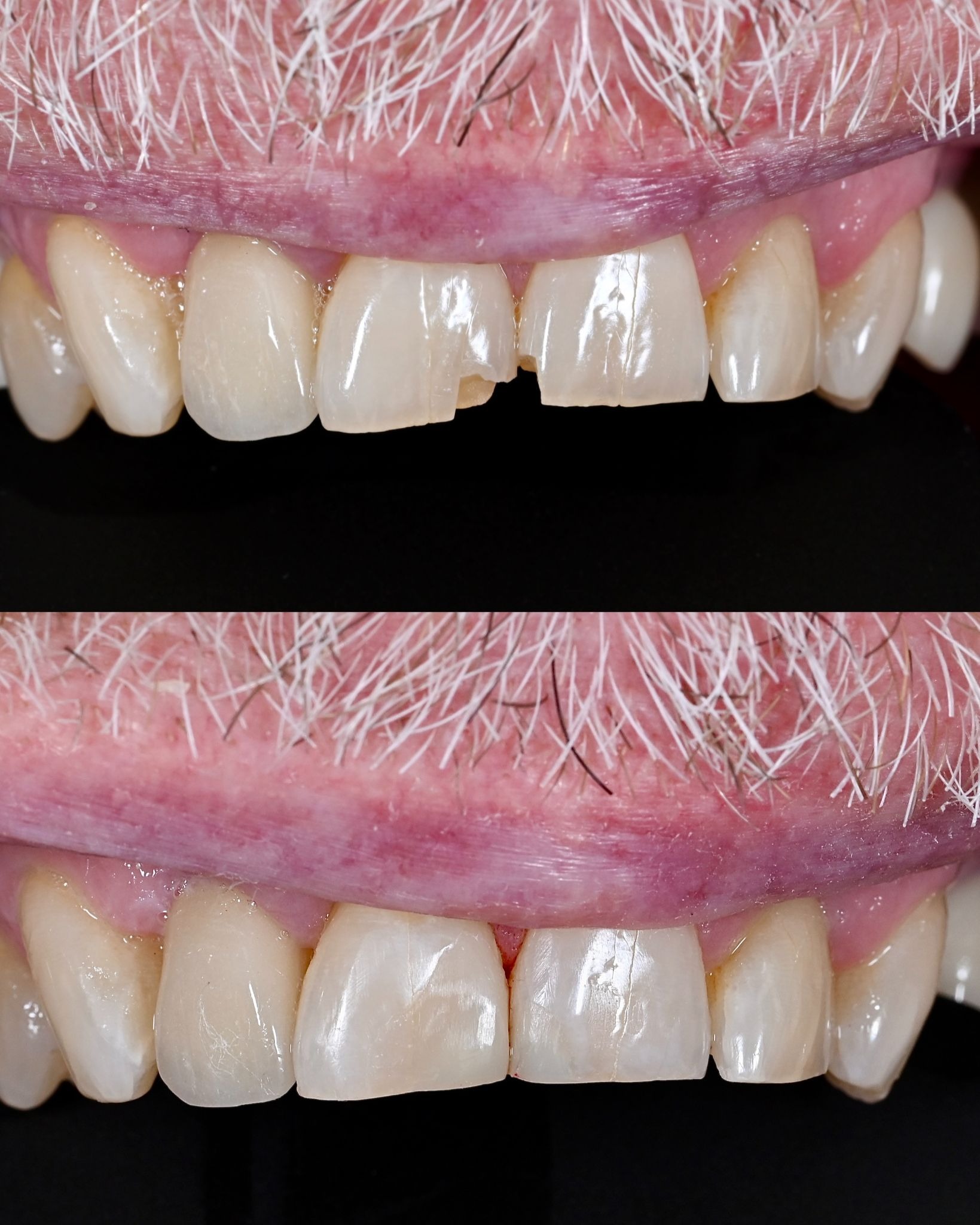
This close-up shows the detail work bonding makes possible. Before treatment, the front teeth had uneven, chipped edges that caught the eye. Dr. Rosen added tooth-colored composite to rebuild those edges, then shaped and polished them to match the surrounding enamel. Afterward, the edges are smooth and even, with no visible line between the natural tooth and the bonding.
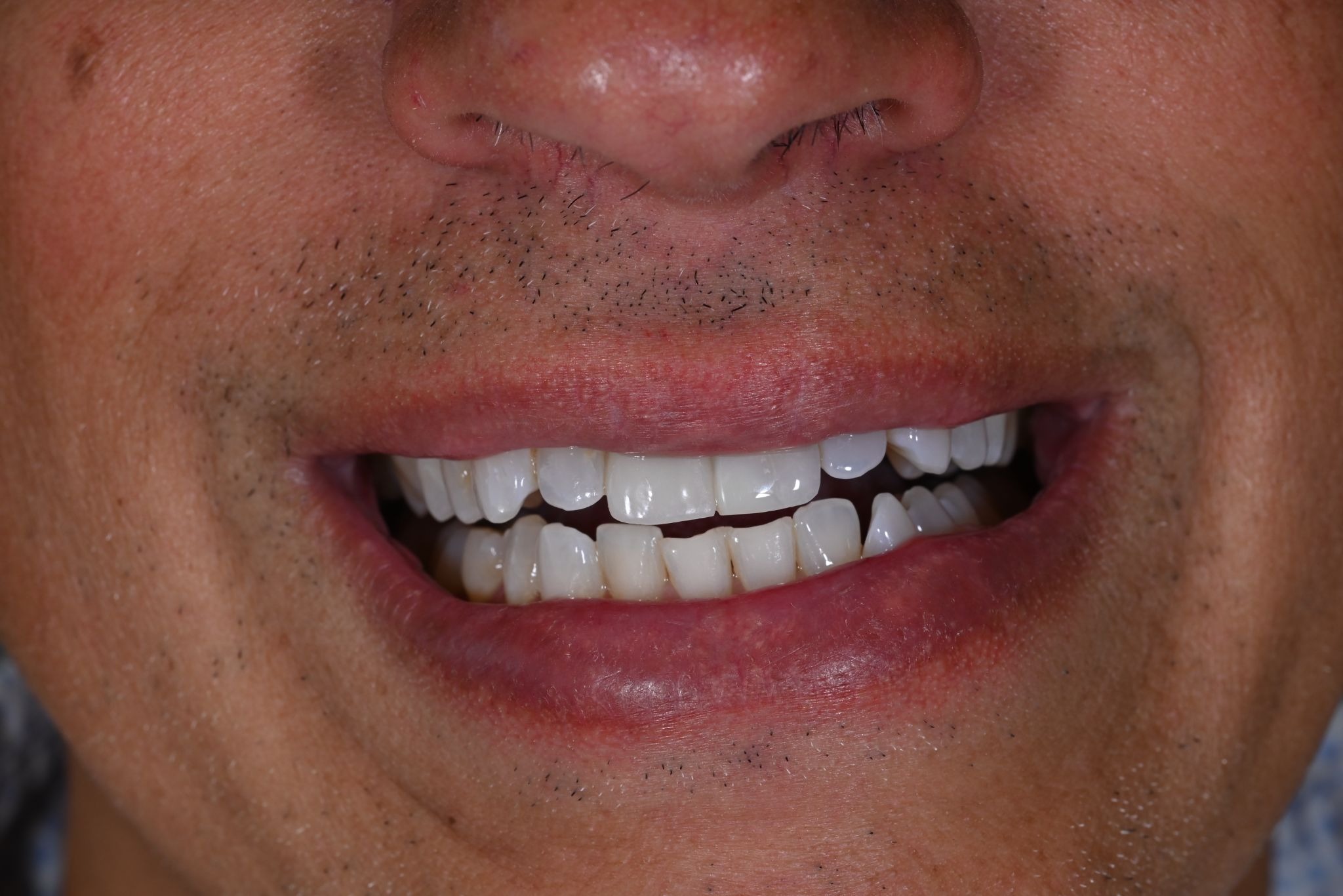

Here's the same improvement seen in a natural smile. The chipped, worn look gave way to teeth that appear whole and balanced, and the result blends in so well that it's hard to tell any work was done. Best of all, this kind of change is typically completed in a single visit.
Every smile is different, and your results will depend on your own teeth and goals. These photos give you a sense of what bonding can do, but the best way to know if it's right for you is a quick consultation.
Who Is a Good Candidate for Cosmetic Dental Bonding?
Bonding works best for patients with minor to moderate cosmetic concerns and good overall oral health. Ideal candidates have enough healthy enamel to support the bonding material and realistic expectations about longevity and maintenance. During your consultation, we’ll help determine whether bonding or another option is better suited to your goals.
Dental and Medical Requirements
- Sufficient tooth structure: Enough healthy enamel must remain to support the bonding material
- Stable bite: Teeth that don't experience excessive grinding or clenching forces that could damage the bonding
- Controlled gum disease: Any periodontal issues should be addressed before cosmetic treatment
- No active decay: Cavities in the treatment area need to be resolved first
Age and Lifestyle Considerations
- Mature teenagers and adults: Once permanent teeth are fully developed, bonding is appropriate for most ages
- Active lifestyle accommodation: While durable, bonding may not be ideal for contact sports without proper protection
- Dietary habits: Patients who frequently consume staining substances should understand maintenance requirements
When to Consider Alternatives
- Extensive damage: Large chips, cracks, or structural damage may be better served by porcelain veneers or crowns
- Severe discoloration: Deep stains or intrinsic discoloration might require veneers for optimal coverage
- Major alignment issues: Significant crowding or spacing problems may need orthodontic treatment first
- Heavy grinding habits: Patients with severe bruxism might benefit from more durable restorations
How Does Cosmetic Bonding Compare to Alternatives?
Cosmetic Dental Bonding
- Pros: Most affordable option, completed in one visit, reversible, minimal tooth preparation, comfortable procedure
- Cons: Less durable than veneers or crowns, more prone to staining, may require periodic touch-ups
- Best for: Minor cosmetic improvements, budget-conscious patients, those wanting immediate results
- Longevity: 3-7 years with proper care
Porcelain Veneers
- Pros: Highly durable, excellent stain resistance, superior aesthetics, long-lasting results
- Cons: Higher investment, requires tooth preparation, irreversible procedure, takes 2-3 weeks to complete
- Best for: Comprehensive smile makeovers, severe discoloration, patients wanting premium longevity
- Longevity: 10-20 years with proper care
Dental Crowns
- Pros: Maximum durability, can restore heavily damaged teeth, excellent function and appearance
- Cons: Most expensive option, requires significant tooth removal, multiple appointments needed
- Best for: Large chips or cracks, teeth with existing large fillings, structural damage
- Longevity: 15-25 years with proper care
Tooth Contouring
- Pros: Very affordable, completed in one visit, permanent results, conservative
- Cons: Limited to minor shape changes, can't add tooth structure, may increase sensitivity
- Best for: Minor shape irregularities, small chips that can be smoothed out
- Longevity: Permanent (doesn't wear out)
Are There any Risks to Cosmetic Dental Bonding?
Most patients experience only minor, temporary effects after bonding. Some experience mild sensitivity to temperature changes for a few days, which typically resolves on its own.
The bonding material may gradually pick up stains from coffee, tea, or other pigmented substances over time, though this develops slowly over years. The bonded area might feel slightly different to your tongue for the first few days until you adjust, and it may take a day or two for the bonding to feel completely natural when chewing.
Frequently Asked Questions
Does dental bonding hurt during the procedure?
Since we're not drilling into the tooth or removing significant tooth structure, there's typically no pain involved. If you do experience any sensitivity, we can easily apply a topical numbing gel for your comfort. Most patients find dental bonding completely painless and require no numbing.
How long does bonding take per tooth?
Each tooth typically takes 30-60 minutes to complete, depending on the complexity of the repair. You can often have multiple teeth bonded in a single appointment.
Can I eat normally after dental bonding?
Yes, you can eat immediately after bonding, though we recommend avoiding very hard, sticky, or heavily pigmented foods for the first 24-48 hours while the bonding fully cures. After that initial period, you can eat normally.
Will my insurance cover cosmetic bonding?
Coverage depends on the reason for treatment and your specific insurance plan. Functional concerns are commonly covered, while purely cosmetic treatments usually aren’t. In any case, we help you understand your benefits and provide all necessary documentation for insurance claims.
How does bonding compare to veneers for chipped front teeth?
For minor chips, bonding is often the ideal choice because it's more affordable, completed in one visit, and requires no tooth removal. Veneers are better for more extensive damage, severe discoloration, or when you want maximum longevity. We can help you weigh the pros and cons based on your specific situation, budget, and long-term goals.
Can bonding be whitened if it gets stained?
Bonding material doesn't respond to traditional teeth whitening treatments, but it can be polished professionally to remove surface stains and restore its original luster. If bonding becomes significantly discolored, it can be replaced with fresh material. This is one reason why we recommend good oral hygiene and limiting staining substances.
What happens if my bonding chips or breaks?
Minor chips in bonding can often be repaired quickly and affordably by adding new composite material and re-polishing the area. Large breaks might require replacing the entire bonding, but this is still typically much less expensive than replacing veneers or crowns.
Is bonding a good alternative to braces for minor spacing issues?
For small gaps and minor alignment issues, bonding can create the appearance of more evenly spaced teeth without the time and expense of orthodontic treatment. However, bonding doesn't actually move teeth, so it's not appropriate for significant crowding or bite problems.
How do I maintain my bonding to make it last longer?
Brush twice daily and floss regularly, avoid chewing on hard objects, limit staining substances like coffee and wine, and consider using a nightguard if you grind your teeth. Regular dental cleanings and checkups allow us to monitor your bonding and address any issues early.
Can bonding be done on back teeth?
Yes, bonding works well on back teeth for repairing chips, small cavities, or worn areas. However, because back teeth experience more chewing force, the bonding may not last quite as long as on front teeth. We will discuss the best materials and techniques for your specific situation before treatment.
Transform Your Smile with Expert Cosmetic Bonding
Working with Dr. Molly Rosen means receiving thoughtful, personalized care in a comfortable environment. Our team combines advanced cosmetic techniques with an artistic approach to ensure results that look natural and feel right.
If you're considering cosmetic bonding to address a chipped tooth or other cosmetic concern, we'd be happy to discuss your options during a consultation. Contact us to schedule an appointment and learn more about how bonding might help you achieve the smile you want.
Connect
Call 215.673.0123 or request an appointment online to set up your first visit. We’ll be in touch soon.